Finally, brothers, whatever is true, whatever is honorable, whatever is just, whatever is pure, whatever is lovely, whatever is commendable, if there is any excellence, if there is anything worthy of praise, think about these things.
⁃ Philippians 4:8
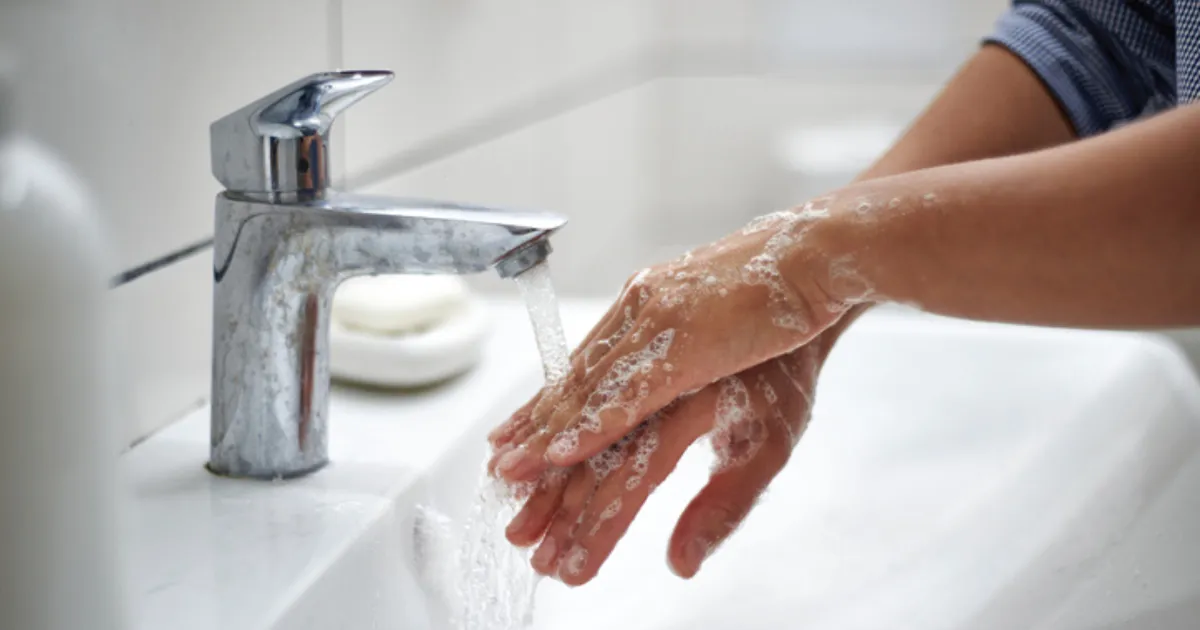
Why do we wash our hands? That’s probably not a question we think about very often. As a child, we sing our A,B,C’s while making suds because our parents and teachers tell us to. Then we enter a phase where it is socially acceptable to wash our hands. When we get old enough and can comprehend germs and bacteria, we wash our hands because we know it will prevent illnesses.
In third world and developing nations, many of the leading diseases that lead to sickness and death can be greatly diminished by simply being diligent in the washing of hands. By washing your hands, you physically remove bacteria and viruses, keeping them from entering your body and stopping them from spreading to others.
Now of course the most effective way to wash your hands has to include soap. Soap molecules actively break down the invisible oily layers on your skin where germs, viruses, and dirt hide. Bacteria and viruses naturally stick to and live in the oils on our bodies. Because oil and water do not mix, rinsing with plain water simply doesn’t work for proper hygiene. When we use soap, it actively breaks up the surface tension of the water, allowing it to penetrate and wash away the trapped grime. Soap also destroys viruses and bacteria by rupturing there protective membranes rendering them harmless.
If you have ever had surgery or stitches or just about any medical procedure, you know that there are always strict hygiene practices employed. That’s because it is much easier and better to prevent illness than to have to treat an infection. Therefore many steps are taken to avoid what could potentially become a chronic or life threatening condition.
When we think about hygiene, it is almost always from a physical mindset. But we find many instances in Scripture that warn us of the dangers if we don’t look at hygiene from a spiritual perspective. Many of the physical dangers we can face from improper hygiene are similar to the spiritual ones that endanger us.
Our very thoughts, if unbridled, are like the dirty hands that bring sickness. If what we allow into our minds and thought processes are not filtered and cleaned, they have the potential to take root and cause us harm spiritually in the same way viruses and bacteria can take hold if we don’t wash our hands.
Scripture is the soap that we need to keep our thoughts on God and that results in mental hygiene. Physical soap can be harsh because of its chemical make up. But it is that very make up that enables it to be effective. In a similar way, Scripture can seem harsh in how it brings conviction into our life. But it is that conviction that points out sin and temptation and draws us closer to Christ.
We do not simply wash our hands or take a shower because we are filthy. Rather, good hygiene is part of our daily routine. How we look at keeping out thoughts pure before the Lord should also be a daily routine. Time in Scripture, prayer and surrounding ourselves with others who are strong in the Lord are all ways to practice good mental hygiene.
Paul gives us appropriate hygiene instruction is 2 Corinthians 10:5-6, We destroy arguments and every lofty opinion raised against the knowledge of God, and take every thought captive to obey Christ, being ready to punish every disobedience, when your obedience is complete.